Man and van in Kentish Town

Our man and van in Kentish Town is set up for straightforward local moving, single-item transport and small removals that need a careful pair of hands rather than a full-scale crew. We help with practical collection and delivery work, from a few boxed belongings to furniture that needs lifting, securing and unloading with attention to detail. If you are moving within the area or connecting Kentish Town with another part of London, the service is designed to keep the job organised and manageable.
The work suits customers who want flexible transport without unnecessary complexity. Our man with a van service can be used for furniture, household contents, student moves and similar loads where the priority is safe handling and sensible planning. We keep the focus on the items, access and timing, so the move can be arranged around what actually needs to be carried rather than around a rigid one-size-fits-all approach.
Tell us what needs moving, where it is going and any access details that may affect loading or unloading, then we can discuss the most suitable way to handle it. If you are comparing options, the type of load and the amount of lifting involved are often the main factors that shape the right service.
What the service covers

The core service is practical transport with help at both ends of the move. That can include carrying items down from a flat, loading them securely in the vehicle, protecting fragile pieces where appropriate and unloading them at the destination. For many jobs, the value lies in having one coordinated service rather than arranging separate lifting and transport at different times. It keeps the move simpler and helps reduce the chance of items being handled twice.
We also work with items that are awkward rather than numerous. Sofas, tables, bedside units, boxed belongings and appliances often need more than a standard car journey, but they do not always justify a large removals operation. In those cases, a moving van can be a practical fit because it provides transport space while still allowing the job to stay focused on a modest load. The aim is to match the vehicle and handling to the actual task.
Good preparation helps any move run more smoothly, especially when furniture or mixed household items are involved. Having a clear list of what needs to go, noting whether anything is heavy or fragile, and checking whether parking or stair access may be tight can make the arrangement more accurate. If there are items you are unsure about, mention them early so the right approach can be discussed before collection day.
Local home moves and small removals

For home moves, the service is suitable when the volume is manageable and the work needs flexible loading rather than a large removals team. That may suit a studio flat, a one-bedroom move, an overlap between addresses or a partial household transfer. We can help keep the load organised, separate items that need careful treatment and make sure the move is approached in a way that fits the scale of the job.
Some customers only need a few key pieces moved, while others want a fuller but still modest household relocation. If you need an option for moving the contents of a property without making it feel like a major operation, home moves can be a sensible place to look. The emphasis is on practical support for real-world domestic moves, including the kinds of jobs that benefit from a van and a capable helper rather than an oversized setup.
Where the move includes a mixture of boxed items and furniture, it is often best to group similar things together before the day. This is not about creating extra work; it is about making loading faster and reducing handling uncertainty. A simple order of operations helps the move stay calm, particularly if the departure or arrival point has limited access, stairs or shared entrances.
Furniture, single items and flexible collections
Not every job is a full move. A good proportion of van work involves individual furniture pieces, replacement items or collections that do not justify a separate delivery vehicle. That might include a bed frame, wardrobe, dining table, washing machine, chairs or other household pieces that need care when moved through narrow routes or lifted into place. The service is intended to make those jobs straightforward without overcomplicating them.
When furniture is involved, the key questions are usually size, weight, access and whether dismantling is required. We do not assume every item can be moved in the same way, because a heavy cabinet is very different from a boxed load or a lightweight chair. If you want a broader furniture-focused option, furniture pick-up is a relevant page for collection and transport of individual items that need careful handling from one address to another.
For heavier or awkward pieces, it helps to think about door widths, stairs, lifts and any tight corners before the job is booked in. If a piece may need to be taken apart or carried in sections, that should be mentioned from the outset so the movement can be planned properly. Clear information makes the quotation more accurate and gives a better idea of the labour involved.
Vehicle choice and load planning

The right vehicle is an important part of any man and van arrangement. Too little space can mean awkward stacking, while too much space may be unnecessary for a modest job. We aim to keep the load practical, using the van in a way that suits the quantity and shape of the items being moved. That is especially useful for customers who need a balance between affordability, capacity and handling care.
For loads that are still domestic but a little more varied, a removal van can support a tidy, efficient move without requiring a full removals package. The service is useful where the contents include mixed household items, a few pieces of furniture and the need for secure transport rather than specialist machinery. The goal is to give the job the right vehicle size and sensible loading sequence.
When planning the move, it often helps to decide what should travel together and what should be separated for ease of handling. Boxes, loose items and furniture do not all behave the same way in transit, so a simple loading order can make a meaningful difference. If you are uncertain how best to group items, a brief description is usually enough to begin shaping the plan.
Household removals and related options

Some customers searching for a man and van are actually looking for a smaller-scale removals service that still feels organised. That can include moving between rented homes, transferring items between storage and a property, or shifting selected contents rather than everything in the house. A service such as house removals can be relevant when the job needs domestic moving support but remains within a size that suits a van-based setup.
We can also work alongside more focused moving pages where the job has a clear purpose. If the move is part of a larger household plan, house movers may be useful for people comparing domestic moving services, while house removalists reflects the same broad type of support in a different wording. The important point is the nature of the move: what is being carried, from where, and to where.
For customers who want a shorter arrangement or a lighter load, it is usually enough to identify the items that matter most and the timing that suits both addresses. That gives enough information to shape a realistic move without turning it into an oversized project. Keep the list clear, keep the access details honest, and the rest can usually be arranged sensibly.
About Kentish Town
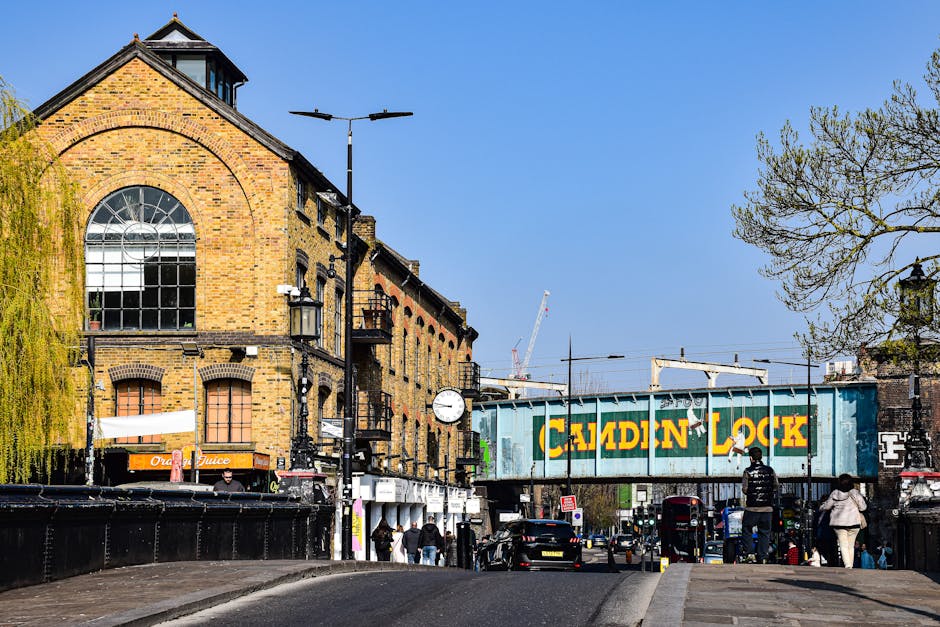
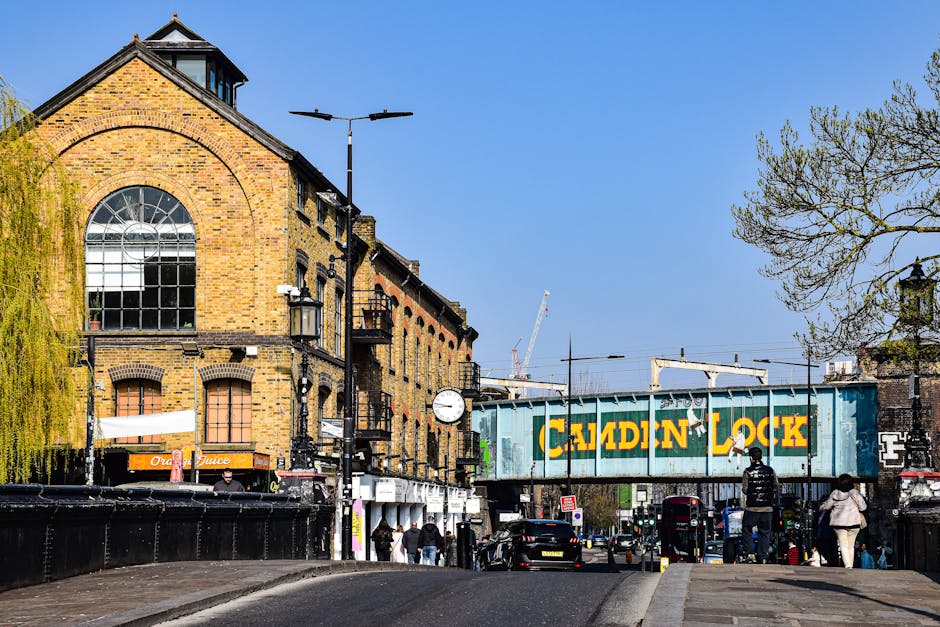
Kentish Town is a district in north London, within the London Borough of Camden, lying between Camden Town and Gospel Oak and stretching towards the edge of Hampstead Heath. Its development was shaped by the growth of London’s road and rail networks, with Kentish Town Road forming a long historic route through the area and rail links reinforcing its role as a connected inner-London neighbourhood. The area has a mixed urban character, with residential streets, high streets and a strong presence of Victorian and later nineteenth-century housing that gives many side roads a consistent brick-built appearance. There are also pockets of older settlement history reflected in the church of St Pancras Old Church and the wider parish associations of the district, although much of the visible built environment is later in date. Kentish Town’s cultural life is varied, with independent shops, places to eat and music venues contributing to a lively local centre rather than a quiet residential suburb. Nearby open spaces add to that balance: Hampstead Heath lies to the north-west, while smaller green areas and tree-lined streets provide everyday relief within the urban grain. The district also sits close to major north-south transport corridors, giving it a sense of movement and exchange that has been present for generations. In practical terms, Kentish Town is one of those parts of London where old and new layers sit side by side, and that mixture is visible in everything from the street pattern to the varied building stock.
Quotation details and service planning
When asking for a quotation, it helps to describe the main items, the start and end addresses, and any features that may affect loading time. Stairs, lifts, waiting restrictions, parking distance and the need for careful wrapping can all influence how a job is approached. A concise description is enough to begin with; the point is to give a realistic picture, not to produce a long inventory unless the move calls for one.
Some jobs are simple enough that a brief message will do, while others benefit from a fuller breakdown of the furniture, boxes and access conditions involved. If you are looking for a general cost discussion, pricing and quotes is the place to go. It is useful when you want to understand how the service is shaped by load size, time on site and the nature of the items rather than by a fixed, universal rate.
Before you ask for a price, think about the job as a whole: what is going, what cannot be carried alone, and whether any item needs special handling. Those details help keep the quotation relevant and reduce unnecessary back-and-forth. If there are flexible dates, say so; if there is a time window, mention that too. Clarity at this stage tends to make the arrangement easier for everyone.
Packing support and careful handling
Not every customer wants full packing support, but many moves benefit from some help in making items ready for transport. That can mean wrapping fragile belongings, separating breakables from heavier objects, or making sure loose contents are boxed in a way that suits vehicle loading. Packing is less about speed and more about reducing avoidable movement, especially for items that may shift if they are not prepared properly.
For customers who need assistance with the preparation side as well as the moving side, packing and unpacking services can be a useful option. It suits jobs where the contents need a bit more organisation before loading or a calmer sort of unpacking at the destination. The benefit is not just convenience; it can also help protect fragile belongings and make delivery more orderly.
There is no need to overpack everything in the same way. Fragile items need space, while sturdy objects can often be grouped more efficiently. The best approach depends on the contents, and that is why a simple, honest description of the load is so important. It lets the move be planned around what is actually being transported, rather than around assumptions.
Commercial moves and office transport
Although the main focus here is domestic and smaller-scale van work, the same practical transport approach can also suit some commercial jobs. Offices, studios and small businesses often need equipment, files, chairs or boxed stock moved without disruption. For those situations, a modest van-based service can provide the right balance of flexibility and control, especially where access is tighter than in a warehouse environment.
If your move has a workplace element, commercial moves offers a relevant route for business-related transport, while office removals reflects a more specific workplace move. These pages are useful when the load includes desks, office chairs, small equipment or other items that need to be moved with care and as little interruption as possible. The emphasis remains on measured handling and appropriate planning.
Business moves often benefit from a clear schedule and a straightforward list of what must be transported first. Keep documents, electronics and loose accessories separated where possible, and note anything that should not be stacked beneath heavier items. That makes the job more orderly and helps the transport stay focused on the essentials.
Next steps for arranging your move
If you are ready to organise a move or collection, the simplest next step is to set out the items, the collection point and the delivery address. A short message is often enough to start the process, and from there the service can be matched to the size and character of the job. For a direct enquiry route, contact us to request a quotation and share the details that matter most.
It also helps to mention whether the job is one-way, involves waiting time, or includes a return trip for additional items. Those practical points affect the overall shape of the work far more than broad descriptions do. If the move is planned for a specific day, say so early; if it is still flexible, that can sometimes make scheduling easier. A clear starting point usually leads to a more useful response.
Whether the task is a single item, a small domestic move or a mixed load that needs careful transport, the aim is the same: keep it straightforward, keep it safe and keep it suited to the actual job. Request your quotation when you are ready, and give the basic details so the move can be discussed properly.