Health and Safety Policy for Kentish Town Man And Van
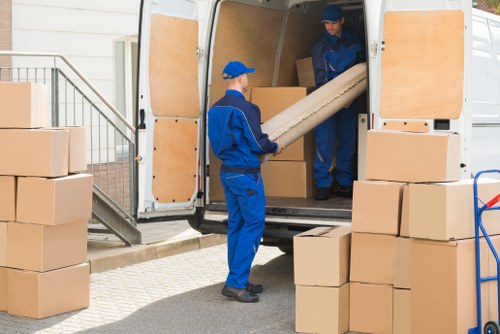 This Health and Safety Policy sets out how Kentish Town Man And Van manages risk, protects people, and maintains safe working practices during removals, deliveries, loading, unloading, and in-transit handling. Our approach is based on prevention, good planning, clear communication, and consistent safe manual handling. We recognise that every move involves different conditions, so our policy is designed to stay practical, flexible, and focused on reducing harm to staff, customers, and members of the public.
We are committed to providing a working environment where safety is treated as a core responsibility rather than an optional extra. This includes assessing each task before work begins, identifying possible hazards, and using suitable controls to manage them. The man and van safety policy applies to all team members, subcontractors, and anyone assisting with operations. It covers physical risks, vehicle-related risks, and general workplace conduct so that service is delivered with care and professionalism.
 Our procedures support safe movement of household items, office equipment, and fragile goods. Before each job, we aim to understand access points, stairways, lifting requirements, parking limitations, and any item that may require extra caution. Where needed, staff will use team lifting, equipment, or alternative handling methods to reduce strain and avoid damage. A strong emphasis is placed on risk assessment, because prevention is always better than response.
 The company expects all workers to take personal responsibility for safety. This means wearing appropriate clothing and footwear, using equipment correctly, and reporting hazards immediately. Staff must not attempt lifts that are clearly unsafe or exceed their capability. Regular reminders are given about posture, grip, load balance, and maintaining clear walkways. We also encourage everyone to stop and reassess if a task changes unexpectedly, because a calm response is often the safest response.
Manual handling is one of the most important areas of this policy. Incorrect lifting can cause injury to the back, shoulders, hands, or knees, so we promote planning before action. Items should be checked for weight, shape, stability, and awkward edges. Whenever possible, loads should be broken down into smaller parts. Two-person handling should be used when an object is too heavy, long, or difficult to control alone. By applying these methods, our removals safety policy remains practical and effective.
Vehicle safety is equally important. All vans used in operations must be kept roadworthy, clean, and properly maintained. Drivers are expected to complete checks on tyres, lights, mirrors, fuel levels, and load security before setting off. Goods must be arranged so they cannot shift during transit, and visibility should never be compromised. Safe driving includes obeying speed limits, allowing extra stopping distance, and avoiding distractions. These standards support the wider transport safety policy and help reduce avoidable incidents.
Loading and unloading areas must be kept as clear and organised as possible. Slips, trips, and falls can occur when floors are wet, cluttered, or uneven, so staff should look out for loose items, cables, packaging, and debris. If weather conditions make surfaces more hazardous, extra care should be taken. Use of trolleys, straps, blankets, and other equipment must follow manufacturer guidance and internal safe-use procedures. The goal is to move goods efficiently while still protecting people and property.
We also recognise the importance of working safely around customers and other occupants. Staff should remain alert to children, pets, restricted access areas, and fragile surroundings. Communication should be polite, clear, and respectful so that everyone understands what is happening and where risks may arise. When moving items through shared spaces, care must be taken to avoid collisions, wall damage, and obstruction of exits. A calm, professional approach supports both safety and service quality.
In the middle of every operation, safety checks remain essential. This means reviewing whether the planned method still works, whether the load has changed, and whether extra support is required. If a situation becomes unsafe, work should pause until the issue is resolved. Health and safety is not a one-time checklist; it is an ongoing discipline that depends on awareness, communication, and good judgement. This is especially important for a van moving service, where many small actions combine to create a safe outcome.
Training and supervision are key parts of this policy. New team members should be made familiar with our safety expectations before carrying out tasks independently. Refresher instruction may be given when procedures change or when repeated risks are identified. Supervisors are responsible for reinforcing good practice, monitoring behaviour, and correcting unsafe actions promptly. By maintaining a culture of learning, Kentish Town Man And Van aims to keep standards consistent and reduce the chance of injury.
Any accident, near miss, or equipment fault must be reported as soon as possible so it can be reviewed and addressed. Early reporting helps us understand what went wrong and how to prevent repetition. Where an incident occurs, the priority is always to make the area safe, check for injury, and record the relevant details. Corrective actions may include changing handling methods, improving storage, replacing equipment, or revising procedures. This supports a responsible moving company safety policy that values accountability.
 We also expect all staff to work in a fit and alert condition. Fatigue, illness, stress, or any impairment that affects concentration can increase the likelihood of accidents. Team members should not continue with tasks they cannot carry out safely. Breaks should be taken when needed, hydration should be maintained, and heavy or repetitive work should be managed sensibly. These measures help protect long-term wellbeing and support reliable service delivery across all jobs.
Environmental considerations are included in our approach where they affect safety. Waste materials, damaged packaging, and discarded items should be collected and removed from work areas to avoid clutter and hazards. Reusable protective materials should be stored neatly and inspected for wear before use. Safe and tidy operations reduce risk, improve efficiency, and create a better working environment for everyone involved in the move.
Ultimately, this man and van health and safety policy reflects our commitment to safeguarding people through clear procedures and sensible decision-making. We will continue to review working practices, update controls where necessary, and expect every worker to contribute to a safer operation. Our aim is to deliver a dependable service while maintaining best practice in safety, protecting possessions, and respecting the wellbeing of all who may be affected by our work.
 This policy applies at all times during planning, collection, transit, delivery, and post-job clean-up. By following it consistently, Kentish Town Man And Van supports safe, efficient, and professional operations while keeping risk as low as reasonably practicable. The result is a safer experience for staff, customers, and the wider public, built on care, responsibility, and attention to detail.