Camden Council removal permit rules for Kentish Town moves
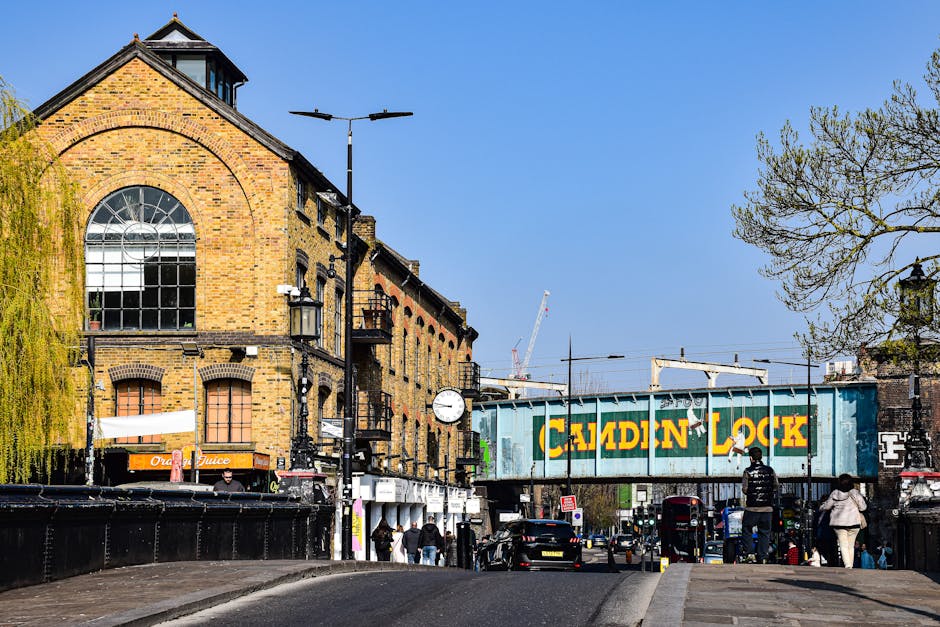
If you are planning a move in Kentish Town, the last thing you want is a van circling the street while everyone starts guessing where it can stop. Camden Council removal permit rules for Kentish Town moves can feel a bit fiddly at first, but once you understand the basics, the whole job becomes much calmer. In practical terms, the permit side is usually about making sure a removal vehicle can load or unload legally, safely, and without causing avoidable disruption. That matters on busy London roads, and it matters even more when you are dealing with narrow residential streets, controlled parking zones, or tight time windows.
This guide breaks down what the rules usually mean in real life, how the process works, what to check before moving day, and where people most often get caught out. A move is stressful enough already. Let's make the parking part less mysterious.
Why Camden Council removal permit rules for Kentish Town moves Matters
Parking and loading on moving day is not just a small detail. It can decide whether the move starts smoothly or turns into a stressful shuffle between your front door and the nearest legal space. In Kentish Town, that can be especially true because streets can be busy, parking is often controlled, and kerb space is limited. If your van cannot stop where you expected, the whole timeline starts slipping. Boxes wait. Furniture waits. You wait, usually with that slightly grim feeling that the day has already become longer than planned.
The permit rules matter because they help you avoid fines, complaints, and unnecessary delays. They also help the move feel more organised. When a vehicle has the right permission to load or unload, the driver can focus on the move itself rather than worrying about enforcement or moving the van every few minutes. For flats, student moves, and business relocations, that can make a huge difference.
There is another reason this matters. Kentish Town moves often involve a mix of local restrictions, shared access, and awkward building layouts. Sometimes the issue is not the permit itself, but the practical reality of getting close enough to the property. Even a short distance from the entrance can become a real headache if you are carrying a sofa up steps or moving a stack of boxes in the rain.
Expert summary: the best move is rarely the one with the cheapest van quote; it is the one where parking, access, timing, and loading permissions have been thought through properly in advance.
If you are comparing move options, it also helps to look at the right service type. A smaller load might suit a man and van, while a bigger household move may need house removals or even a fuller removals service. The permit question does not disappear just because the vehicle is smaller. It still needs planning.
How Camden Council removal permit rules for Kentish Town moves Works
In plain English, the permit process is about whether your moving vehicle needs permission to park, wait, or load in a controlled street. In many London boroughs, there are different rules for normal parking, loading bays, suspended bays, single yellow lines, double yellow lines, and resident-only zones. The exact arrangement depends on the street and the time of day, so you should never assume that what worked round the corner will work outside your building.
For a typical Kentish Town move, the practical steps usually look something like this:
- Check the road outside both the old and new property.
- Identify whether the van can legally stop there for loading or unloading.
- Work out whether any waiting restrictions, resident bays, or suspended spaces apply.
- Confirm whether a permit, dispensation, or other parking arrangement is needed for the moving vehicle.
- Allow enough time for the parking arrangement to cover the full loading window, not just the first few minutes.
That last part is where people get caught. A move rarely runs in a perfectly neat sequence. Someone loses a key. A lift is slow. The bed frame does not fit through the door on the first try. And suddenly the booking you thought was generous feels tight. Be fair to yourself: build in some breathing space.
Another thing to understand is that moving permit rules are not only about where the van stands. They are also about how the move is carried out. If the vehicle blocks access, causes a traffic hazard, or obstructs neighbours in a way that could have been avoided, that may still create problems even if the paperwork is in order. Good planning is partly legal, partly practical, and partly just being considerate.
For that reason, many people choose a service that already understands local access issues. A local removal services provider can help you think through the access side before moving day rather than after it has gone sideways. If you need packing support too, it is often worth looking at packing and boxes or packing and unpacking services, because well-packed items are quicker to load and unload. And quicker matters when parking time is limited.
Key Benefits and Practical Advantages
Getting the permit side right is not glamorous, but it pays off in several very real ways.
- Less risk of enforcement issues: you reduce the chance of parking penalties, complaints, or being forced to move the vehicle halfway through loading.
- Better time control: when the van can stop close to the property, the whole move tends to run more efficiently.
- Safer handling: shorter carrying distances can reduce strain and lower the chance of bumps, drops, and awkward manoeuvres.
- Less neighbour friction: a planned move is usually less disruptive than a van blocking a street without warning.
- More accurate quoting: when parking and access are clear, removal firms can judge labour and vehicle needs more honestly.
There is also a quieter benefit: peace of mind. Truth be told, that may be the most valuable thing on moving day. When you know the permit and parking side is handled, you can focus on the move itself instead of checking the window every five minutes.
For people comparing providers, this is also where local knowledge becomes a real advantage. A service such as man with van may suit smaller jobs with flexible timing, while removal van options are often better when you need a vehicle suited to furniture, boxes, and repeated loading. If you are moving between floors or dealing with a compact apartment, flat removals can be a sensible fit because the team will usually expect the access complications that come with London flats. That expectation helps.
Who This Is For and When It Makes Sense
This topic is relevant to more people than you might think. It is not just for huge house moves or business relocations. In Kentish Town, permit planning can matter for:
- flat moves on busy streets
- house moves where driveway access is limited
- student moves with a lot of boxes and a very short deadline
- office moves that need early access before the workday starts
- single-item furniture pick-ups where the van still needs to stop legally
- same-day moves, where there is very little room for last-minute changes
If you are moving out of a block of flats, the permit question is often tied to building access. You may have a lift booking, a narrow entrance, or an unloading spot that looks convenient but is actually restricted. If you are moving a business, timing can be even more important, especially if staff or deliveries are happening around the same time. For that reason, office removals and commercial moves tend to need tighter planning than they first appear to.
Sometimes the move is small and simple, which is lovely. A few boxes, a bedside table, and a lamp, maybe. Other times it is a sofa, a wardrobe, a filing cabinet, and a piano that seems to have been built in another century. For heavier or delicate items, you may want a specialist like piano removals or furniture removals. The bigger and heavier the item, the more valuable those curbside minutes become.
Step-by-Step Guidance
If you want a straightforward way to approach the rules, use this sequence. It is not fancy, but it works.
- Check the street on both ends of the move. Look for resident bays, loading restrictions, single or double yellow lines, and any signs that might affect stopping.
- Consider the time of day. Some streets are calmer in the early morning, while others become congested by school run time or lunchtime. A short move at 8 a.m. can be far easier than the same move at 11 a.m.
- Estimate how long loading will really take. Add a little extra. Always a little extra.
- Confirm whether the van can legally stop where needed. If not, work out the nearest suitable loading spot and how far the carry will be.
- Speak to your removal provider early. Good movers will ask about parking, floor level, access, and any restrictions.
- Prepare the property. Clear hallways, label boxes, and keep the essentials together. A tidy move is a quicker move.
- Have a backup plan. If the main space is unavailable, know where the driver can safely wait or load instead.
If you are booking a move with a removal companies style provider, ask them how they usually handle London parking restrictions. That one question tells you a lot. A careful operator will not brush it off. They will talk about access, timing, and contingency. The ones who do not mention it? Slightly worrying, to be honest.
For people who need extra flexibility, same day removals can be useful, but that urgency makes parking planning even more important. Same-day jobs rarely leave much room for paperwork mistakes or guesswork. You want the plan sorted before the van arrives.
Expert Tips for Better Results
After enough moves, a few patterns become obvious. Here are the habits that consistently make things easier.
- Measure access properly. Do not just guess whether a van will fit. Check width, turning room, low branches, and whether another vehicle can pass.
- Think about carrying distance. A legal spot that is 40 metres away may be okay for a suitcase but miserable for a wardrobe.
- Use labels that make sense at first glance. "Kitchen", "Books", "Fragile", "Open first" - simple things, but they save time.
- Pack parking-sensitive items last. If the van has to move quickly, it helps if the items nearest the door are the easiest to lift.
- Plan the lift and stair route. Parking is only one part of the puzzle. If the building access is awkward, everything takes longer.
- Keep one person free to manage access. Someone needs to watch for the driver, the building entrance, and any last-minute changes.
A small but useful tip: take photos of the loading area before move day. It sounds almost too simple, but it gives you a reference if you need to explain the setup to your mover or compare possible parking spots. In the drizzle, with traffic rolling past and someone's bin bag on the pavement, that photo can be oddly helpful.
If you are organising a long-distance move or trying to bridge a gap between move-out and move-in dates, storage can take pressure off the timetable. That can be useful when permit timing is tight and you do not want the whole day to depend on a single direct transfer.
Common Mistakes to Avoid
Most moving problems are not dramatic. They are just small oversights that compound. A few of the most common ones are easy to avoid once you know them.
- Assuming the same rules apply on every street. They do not. One road may allow loading while the next one does not.
- Leaving permit checks until the night before. That is when people start panicking, and panic is not a planning tool.
- Underestimating loading time. If the route involves stairs, awkward corners, or heavy furniture, be realistic.
- Forgetting both addresses. You may need access at the old property and the new one. Both matter.
- Choosing the wrong vehicle size. Too small and you risk extra trips; too large and you may make parking harder than it needs to be.
- Not checking for building rules. Some blocks have their own restrictions, time windows, or booking requirements.
And here is a very human one: forgetting that your furniture does not magically become lighter on moving day. It sounds obvious, but people often book as if the wardrobe will float itself down the stairs. It will not. Sadly.
If you are moving from a student property or a shared flat, the pressure tends to come from deadlines rather than volume. In that case, student removals can be a better fit because they are usually built around quick turnarounds and compact loads. Still, parking and access need the same care.
Tools, Resources and Recommendations
You do not need a giant toolkit to get this right. What you need is a few sensible checks and the discipline to use them before the van shows up.
- Street observation: walk the road at roughly the same time of day as your move.
- Phone camera: take photos of signage, kerb space, and the route to the entrance.
- Floor plan or building notes: handy if the access route is complicated.
- Simple moving inventory: helps you estimate time and vehicle size.
- Written booking details: keep timing, address, contact details, and any access notes together.
From a practical service point of view, it can also help to choose a provider that is comfortable with the full moving process, not just the driving. A company offering home moves or house removals is often better placed to advise on access, loading order, and the time needed at each stop. If you want support with the physical side of moving and not just transport, look at removal services rather than treating the move as a simple taxi job for furniture. It is a different thing.
For trust and peace of mind, you may also want to review a provider's operational pages, including their health and safety policy, insurance and safety information, and terms and conditions. That does not replace checking the permit situation, but it helps you understand how the business handles risk and responsibility.
Law, Compliance, Standards, or Best Practice
Without pretending to give legal advice, the safest approach is to treat parking and loading rules as something you need to verify for the exact street and time slot you are using. In London, parking control is often very location-specific. A legal stop for loading in one place may be restricted in another, and signs matter. A lot. More than people realise, actually.
Good practice usually means:
- checking local restrictions well before move day
- not assuming a van can wait just because it is "only for a moment"
- making sure the vehicle does not block emergency access, driveways, or critical building entrances
- coordinating with building management if the property has its own rules
- keeping paperwork and booking records in case you need to explain the arrangement
For removals involving offices or shared buildings, best practice becomes even more important because there may be common areas, delivery rules, or lift reservations to respect. That is one reason why office relocation services can be useful for businesses that need the move to happen with minimal disruption.
If your move involves recycling old items, boxes, or unwanted furniture, it is also sensible to think about disposal responsibly. A move is often the perfect time to reduce clutter, and if you are clearing out more than you are taking with you, recycling and sustainability becomes part of the moving plan rather than an afterthought.
Options, Methods, or Comparison Table
There is more than one way to manage a Kentish Town move, and the best option depends on how much you are moving, how tight the access is, and how much time you want to handle yourself.
| Approach | Best for | Pros | Watch-outs |
|---|---|---|---|
| Man and van | Smaller loads, flexible timing, short local moves | Often practical, quicker to organise, useful for compact jobs | May still need careful parking planning and good load organisation |
| Removal van | Moderate household moves | Better suited to bulk items, usually more efficient than repeated car trips | Access and stopping space still need checking |
| Full removals team | Larger homes, busy buildings, heavy furniture | More hands, less lifting pressure, better for complex access | Usually needs more detailed booking information |
| Storage plus move | Staggered dates or temporary gaps between properties | Removes pressure if move-in and move-out do not line up neatly | Requires extra planning and a second stage of transport |
If you are unsure which route fits your situation, start by asking a simple question: how much of the stress is caused by the parking and access, and how much is caused by the actual amount of stuff? If parking is the main headache, a more organised removals setup may be worth it. If the load is tiny and the street is manageable, a smaller man with a van option may be enough.
Case Study or Real-World Example
Imagine a couple moving out of a first-floor flat near Kentish Town. They have a sofa, a mattress, six medium boxes, and a couple of awkward plants that keep tipping over. Nothing enormous, but enough to be annoying if the van cannot get close. On the day, the street is busier than expected. A delivery vehicle is already half-parked nearby, and a neighbour is loading shopping bags into the boot of a car. Not dramatic. Just normal London life, really.
Because they checked access ahead of time, they knew the nearest legal loading point was a short walk away. Not ideal, but manageable. Their mover arrived with the timing already planned around that distance. The boxes were labelled, the lift was booked, and the most important items were packed last so they could go first. There was a bit of a wait when the route briefly cleared, and then the van was in position. No drama. No rushed reshuffling. No one standing in the doorway saying, "I thought the parking was fine?"
That is the real lesson here. The permit rule itself is only one piece of the move, but the benefit shows up in the whole day. Less waiting. Less carrying. Less faffing about. And, to be honest, moving day needs less faffing about whenever possible.
Practical Checklist
- Confirm the exact moving date and time.
- Check parking signs at both properties.
- Review whether the vehicle needs a permit, dispensation, or other parking arrangement.
- Allow enough time for loading and unloading, with a cushion for delays.
- Tell your mover about stairs, lifts, access codes, and narrow entrances.
- Prepare boxes and label them clearly.
- Separate fragile, valuable, and essential items.
- Plan the route from van to front door.
- Keep a phone charged and handy on the day.
- Have a fallback if the preferred loading space is unavailable.
If you are trying to keep the move efficient and avoid last-minute stress, it can also help to compare pricing and service levels early. A clear pricing and quotes page can help you understand what is included and what may cost extra, which is especially useful when access issues could affect timing. No one enjoys surprise add-ons. Not on moving day, anyway.
And if the move is part of a wider life change, maybe a new job, a new flat, or a long-awaited upgrade, small practical decisions like permit planning can take a surprising amount of pressure off. That matters more than people admit.
Get a free quote today and see how much you can save.
Conclusion
Camden Council removal permit rules for Kentish Town moves are really about one thing: making sure your moving vehicle can load or unload without chaos. If you know the street restrictions, allow enough time, and choose the right kind of moving support, you give yourself a much smoother day. That is true whether you are moving a single room, a family home, or an office with far too many cables and not enough labels.
The best approach is simple. Check the access, ask good questions, and plan for the reality of London streets rather than the fantasy version where every van parks exactly where you hoped. Small effort now saves a lot of noise later. And that, in moving terms, is a proper win.
Frequently Asked Questions
Do I always need a removal permit for a Kentish Town move?
Not always. It depends on the exact street, the parking restrictions in place, the time of day, and whether the van can legally stop for loading or unloading. Some moves need formal parking arrangements, while others may work with existing loading space. The safest approach is to check both addresses before the move.
Can a removal van stop on double yellow lines in Kentish Town?
That depends on the local loading rules and the specific restrictions shown on the street signs. You should never assume a double yellow line automatically allows loading. It may be permitted for limited loading in some circumstances, but you need to verify the exact conditions for the location and time.
How far in advance should I check parking rules?
As early as you can, ideally when you book the move. Leaving it until the day before is risky because parking arrangements often affect timing, vehicle choice, and how long the move will take. A little early planning goes a long way.
What happens if the van cannot park outside my property?
If the van cannot stop outside, the crew may need to load from a legal nearby space. That usually means a longer carry and more time. In some cases, it may also change the size of vehicle or the number of people needed. It is better to know this in advance rather than discover it on the doorstep.
Are flat moves more likely to need parking planning?
Yes, often. Flats can involve stairs, lifts, narrow entrances, and limited stopping space. A move from a flat is usually more sensitive to parking distance than a straightforward house move, which is why flat removals often need extra access checks.
Do office moves have different access needs from home moves?
Usually, yes. Offices often need tighter timing, building access coordination, and less disruption to neighbours, staff, or deliveries. If the move is commercial, parking and loading may need even more structure than a domestic job.
Can a man and van service help with permit planning?
A good one usually can. A sensible provider will ask about parking, access, and the layout at both ends of the move. Smaller services can be very effective for local jobs, but the parking question still matters just as much.
What should I tell the removals company before moving day?
Tell them about parking restrictions, floor levels, lift access, stairs, loading points, and anything awkward about the route to the property. Also mention bulky or fragile items. The more they know, the more accurately they can plan the move.
Is same-day removals a bad idea if parking is tight?
Not necessarily, but it does make planning more important. Same-day moves leave less time for corrections, so you want the parking and access picture to be as clear as possible before the van arrives. Quick does not mean rushed.
What can I do to make the move faster once the van arrives?
Have everything packed, labelled, and ready to go. Keep hallways clear, separate essentials, and make sure someone is available to guide the mover. If the van can park close by and the items are organised, the whole process feels much lighter.
Should I keep paperwork or booking notes on the day?
Yes, absolutely. Keep your booking details, contact number, access notes, and any parking information handy. It is a small thing, but when something changes in the street, having the details ready can save time and stress.
What is the biggest mistake people make with move-day parking?
The biggest mistake is assuming the road will be fine without checking it properly. A street that looks available may still have restrictions, loading limits, or time-based rules. A quick check beforehand prevents a lot of avoidable hassle.